

How AI and Nuclear Power Are Joining Forces to Power the Future
In an era where AI systems demand vast, reliable energy, combining artificial intelligence with nuclear power has become a game‑changer. This article examines how AI enhances small modular reactors (SMRs) and traditional nuclear plants to build a safer, smarter energy future.

1. AI-Powered Virtual Sensors
At the University of Illinois, researchers developed AI-driven virtual sensors that interpret reactor data in real time—1,400 times faster than traditional CFD simulations 3. These sensors detect anomalies before physical gauges fail, greatly improving safety and operational efficiency.
2. Predictive Maintenance & Fault Detection
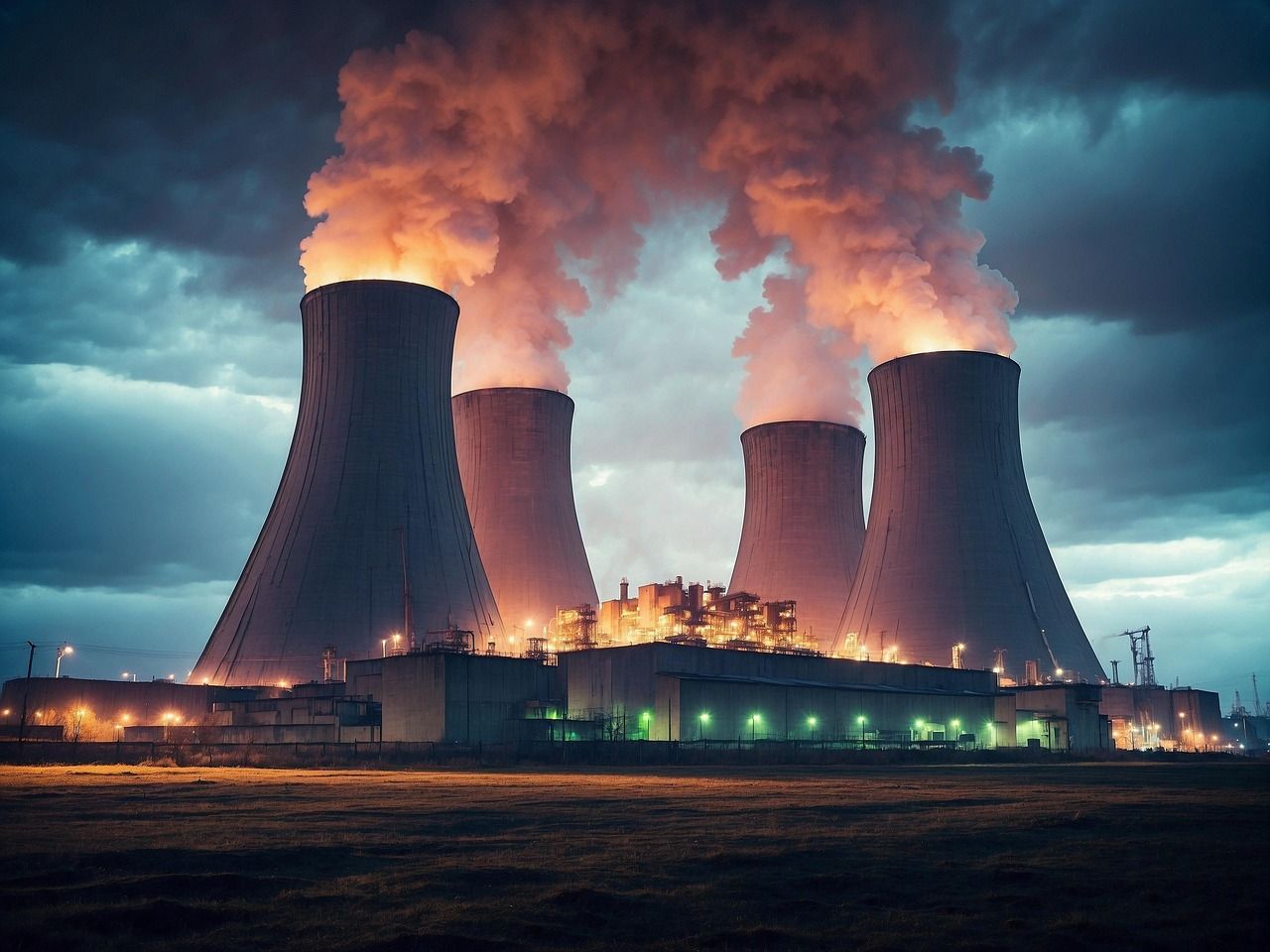
Remote AI monitoring tools, developed by PNNL and other national labs, use digital twin tech to predict issues in hard-to-reach systems. Purdue’s AI can even detect structural cracks via video feeds 5.
3. Optimizing Small Modular Reactors (SMRs)
SMRs—compact, factory-built nuclear units—are ideal for powering AI data centers. With AI, construction becomes modular and efficient. Projects like Westinghouse + Google Cloud use AI to design work packages, speeding up deployments 6.

These AI tools also improve fuel management, reducing waste and operational costs in nuclear fleets 8.
4. Digital Twins & Real‑Time Reactor Simulation
Argonne Lab’s AI-powered digital twins use graph neural networks to simulate reactor behavior instantly. This allows reactive, safe plant operations in real time 9.
5. Regulatory Support & Faster Licensing
AI isn’t just for engineering—it’s also helping with regulatory paperwork. Collaborations like Microsoft + INL speed up permit applications, reducing licensing timeframes from years to months 10.
6. Industry & Market Growth
Tech giants (Google, Amazon, Microsoft) are funding SMR development to power their AI data centers. Kairos Power will build six SMRs for Google by 2035 11. X‑energy, TerraPower, NuScale are also raising billions due to surging interest 12.
Key Takeaway
By merging AI with nuclear technology, we can build a low-carbon, safe, and efficient future. This synergy accelerates innovation in sensor systems, predictive maintenance, reactor design, and regulatory compliance.
Future Outlook
- Rapid SMR rollout powered by AI‑driven design and construction
- Smarter, AI‑based digital twins and virtual monitoring
- Streamlined paperwork via AI-generated regulatory documents
- Enhanced global energy reliability through nuclear‑AI integration
Conclusion & Next Steps
AI is fast becoming essential to nuclear energy’s future—optimizing performance, improving safety, and fueling sustainable growth. As articles show, this AI‑nuclear marriage will be key to meeting global energy demands in the decades ahead.
Want to stay informed about cutting-edge AI and energy trends? Subscribe to our blog below!

Thank you for your comment! Please keep it respectful and relevant