

In the age of smart devices, the integration of IoT (Internet of Things) sensors with edge computing is transforming how industries handle maintenance. This is all about ensuring equipment runs optimally—before problems even occur.
1. Why Traditional Maintenance Falls Short
Conventional maintenance follows two main approaches:
- Reactive: Fixing things after failure.
- Scheduled: Servicing based on fixed intervals, regardless of actual condition.
Both lead to avoidable downtime and waste: reactive maintenance results in sudden halts, while scheduled servicing may occur too early or too late. Enter predictive maintenance.
2. Predictive Maintenance with IoT + Edge
By using sensors to continuously monitor machinery (“smart sensors”), industries can track metrics like vibration, temperature, and pressure. But sending all data to the cloud is costly, slow, and inefficient.
Edge computing steps in to process data right where it's generated—on-site—before sending only critical alerts or summaries to the cloud. This reduces latency and bandwidth use.
Example: a sensor detects rising vibration levels. An edge device predicts a bearing fault hours ahead of failure. Maintenance is scheduled, avoiding downtime.
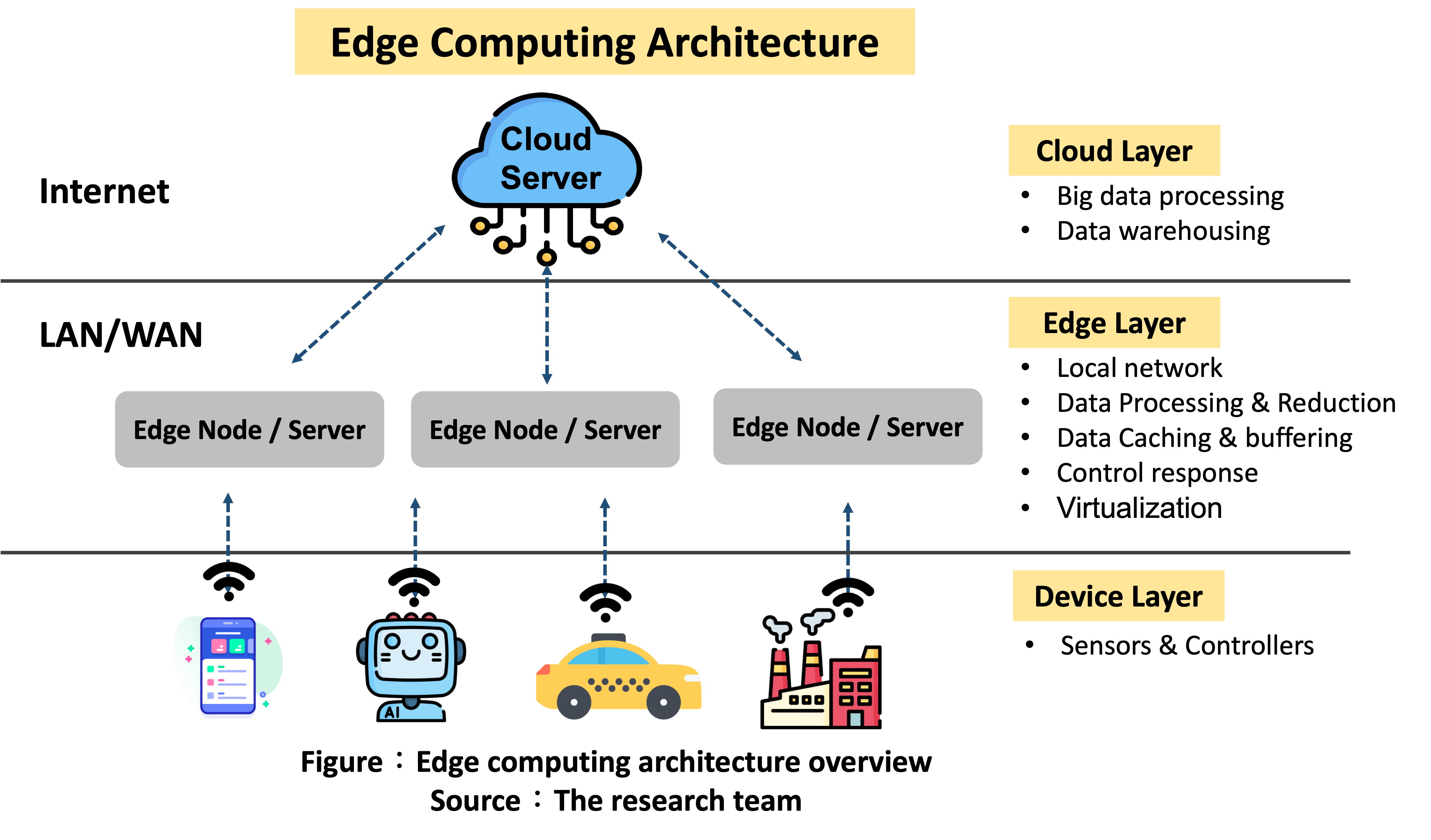
3. Edge Computing Architecture
A typical setup involves:
- Device Layer: Sensors & micro‑controllers collecting raw data.
- Edge Layer: Local servers or gateways running ML models to analyze data instantly—no cloud needed.
- Cloud Layer: Aggregates data, stores historical records, and enables advanced analytics.
This three-tier model ensures:
- Fast reactions to anomalies.
- Bandwidth savings by filtering data locally.
- Richer insights via cloud analysis.
4. Real-Life Results & Use Cases
Industrial IoT (IIoT): Factories use edge‑based systems to monitor compressors, motors, and conveyors. Bearing faults can be detected early, saving thousands of dollars per hour in downtime 2.
Smart buildings: HVAC systems keep indoor environments comfortable while avoiding failures and optimizing energy usage.
Autonomous transport: Edge devices in vehicles check engine health in real time, alerting operators before breakdowns.
5. Key Benefits at a Glance
- Low latency: Decisions in milliseconds without cloud travel.
- Bandwidth-efficient: Only essential info is forwarded.
- Offline resilience: Local systems work even with no internet 3.
- Enhanced security: Sensitive data stays on-site.
6. Challenges & Best Practices
Implementing edge intelligence isn’t plug-and-play. Consider:
- Device reliability: Sensors and edge modules must be rugged and secure.
- Data model updates: ML models need to evolve. Deploy via OTA to edge devices.
- Integration: Design interoperable systems to connect sensors, edge, and cloud smoothly.
7. Future Outlook
Edge computing for maintenance is evolving with AI chips (e.g., NVIDIA Jetson, Intel Movidius) and languages like federated learning, where devices learn without sharing actual data—enhancing privacy 4.
Expect this setup in not just factories, but also healthcare (e.g., wearable monitoring), utilities (e.g., smart grid), and agriculture (e.g., farm equipment sensors).
Conclusion: Building Smarter, Safer Systems
By combining IoT with edge computing, maintenance transforms from reactive or scheduled to intelligent and proactive. This shift brings lower costs, less downtime, and safer operations.
At Flexora, we believe these technologies are game‑changers in the digital transformation journey—making operations smarter, leaner, and more resilient.
What You Can Do Next
- Explore. Research edge-capable hardware like Raspberry Pi or Jetson Nano.
- Prototype. Use online tutorials (TensorFlow Lite, OpenCV) to test basic predictive models.
- Scale. Deploy in simple setups—e.g., a home device tracking air compressor or engine sound.

Thank you for your comment! Please keep it respectful and relevant