

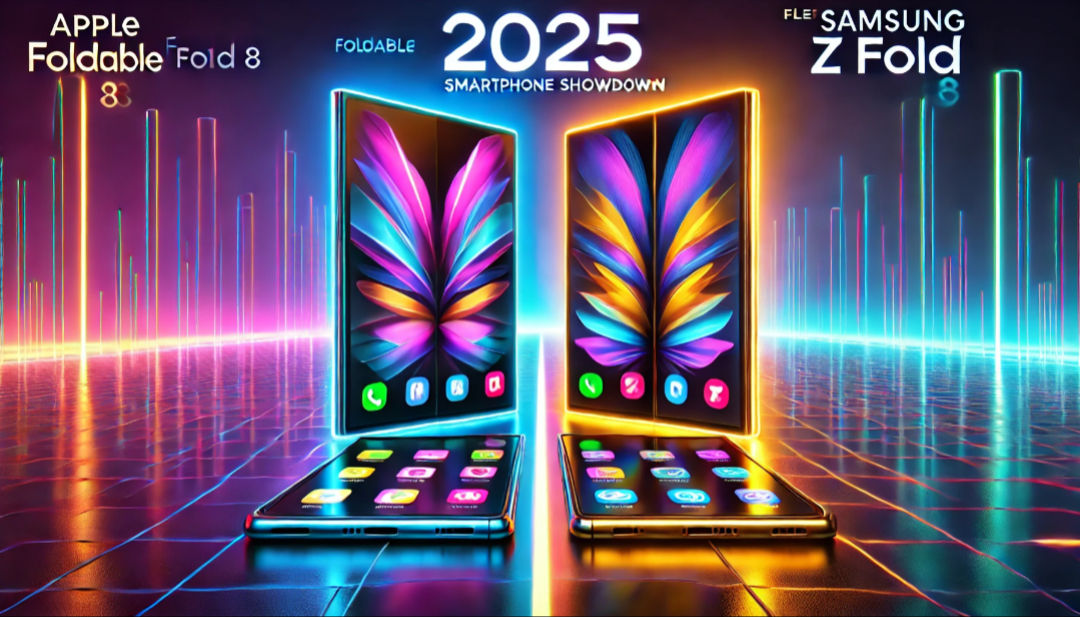
Smartphone Tech Showdown 2025: Apple iPhone vs Android Flagships
The smartphone landscape in 2025 continues to evolve rapidly with breakthroughs in AI, foldable displays, and powerhouse chipsets. In this guide, we explore the latest innovations from Apple and Android flagships—without bias. By the end, you’ll know which technology aligns best with your needs in performance, display, camera, and ecosystem.
1. Shrinking the Crease: Foldable Display Battle
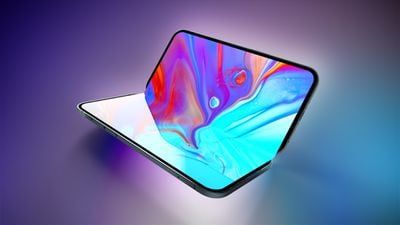
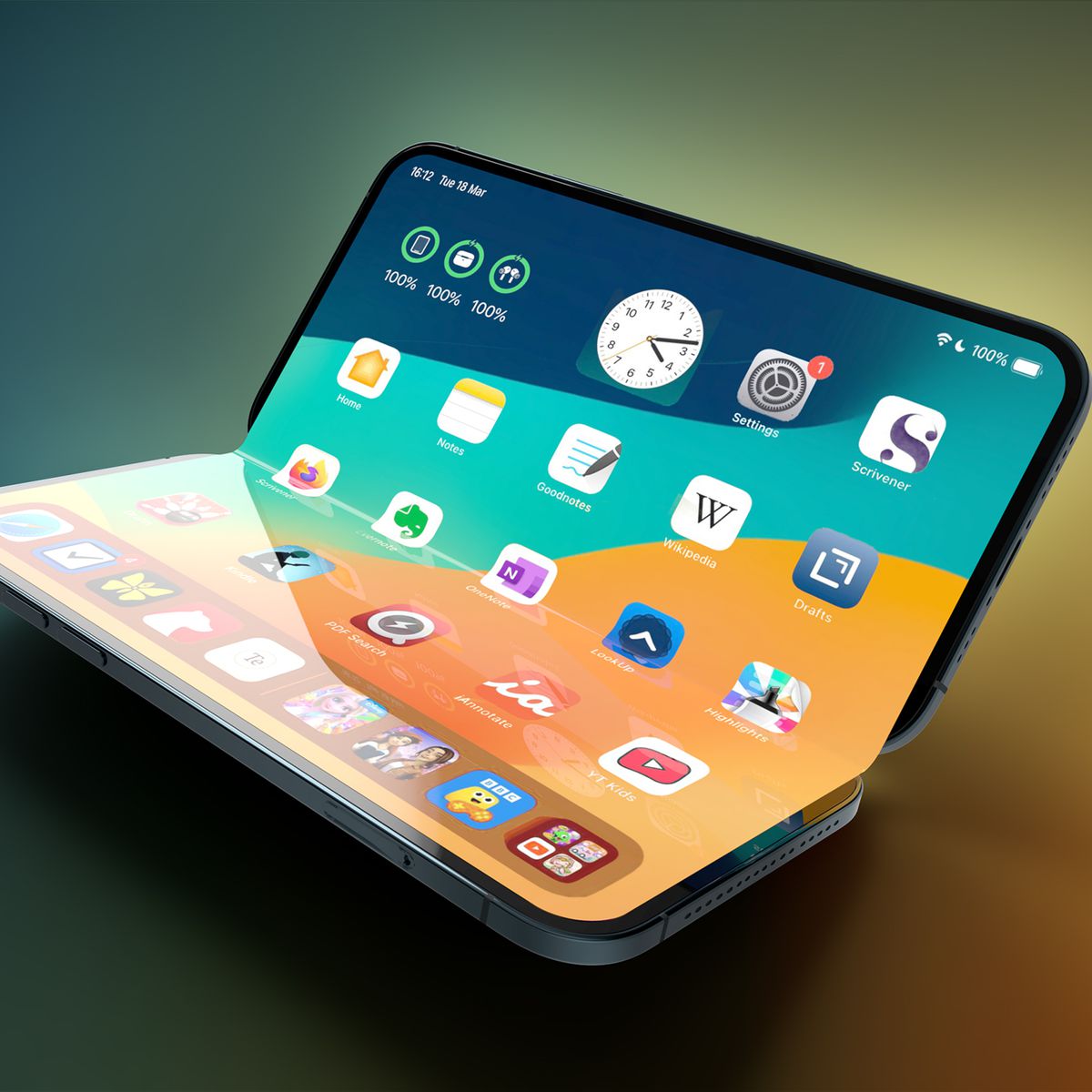
Samsung’s Galaxy Z Fold 8 will implement laser-drilled metal plates under the screen to reduce fold creases—mirroring the rumored feature of Apple’s first foldable iPhone expected in the second half of 2026 1. Both aim to eliminate visible folds and improve aesthetics.
Samsung launches first with the technology, while Apple reportedly partners with Samsung Display to ensure a crease‑free screen on the iPhone Fold 2.
2. Chipset & AI Intelligence
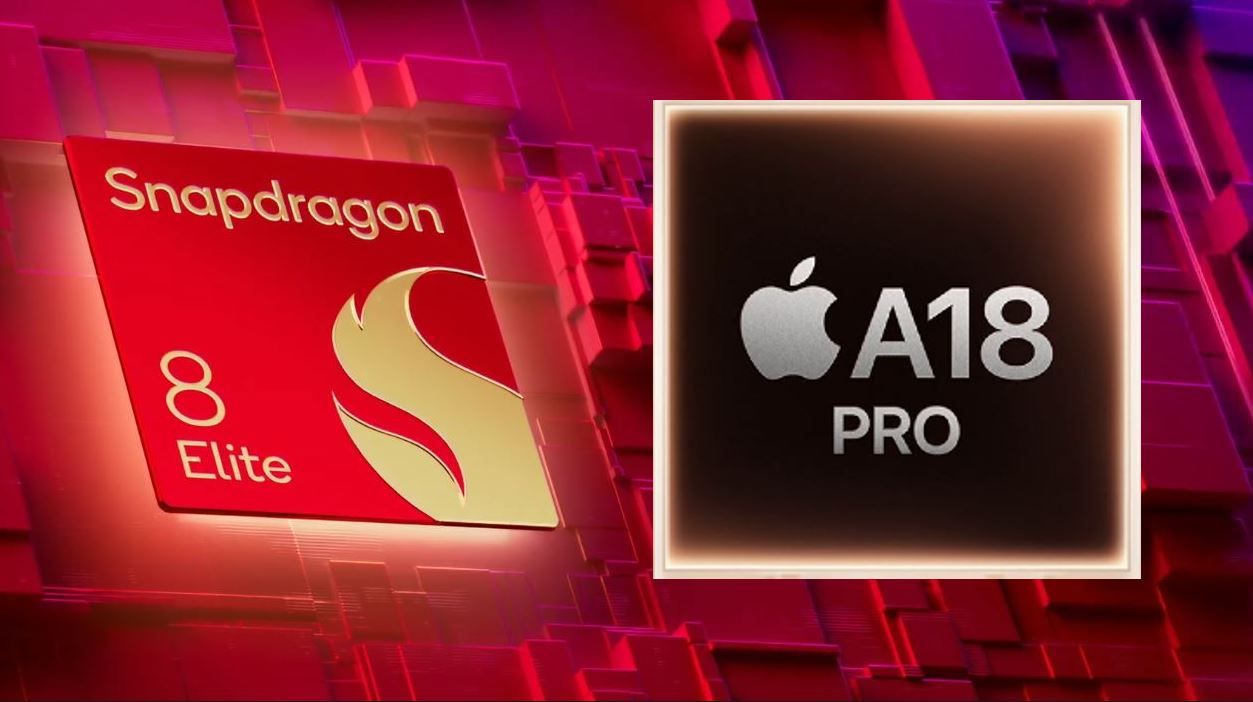
**Apple A18 Pro** (iPhone 16 Pro Max): built on TSMC 3 nm, featuring a 6‑core CPU, 6‑core GPU, and 16‑core Neural Engine capable of 35 TOPS, delivering fast on-device AI 3.
**Snapdragon 8 Elite** (Galaxy S25 Ultra): Octa-core with 2 performance + 6 efficiency cores, outperforms A18 Pro in multi-core (+13%), AnTuTu (~50%), and GPU benchmarks; includes powerful Hexagon NPU 4.
Recommendation: For intensive AI tasks, multimedia, and multitasking, Android leads. For privacy, thermal control, and Apple ecosystem, iPhone excels.
3. Camera & Imaging
Samsung's flagships (Galaxy S25 Ultra & Z Fold 7) feature 200 MP sensors, powerful optical zoom, and real-time AI editing on-device 5. Meanwhile, iPhone 16 series focuses on consistent color accuracy, video performance, and smooth cinematic recording at 48 MP.
Which to choose: For macro details and dynamic edits → Android. For video quality, portraiture, and ease → iPhone.
4. Ecosystem, Privacy, & Software Support
- iPhone: iOS offers long updates (7+ years), secure privacy features, and seamless integration with Apple hardware and services.
- Android (Samsung): One UI 8 ensures 7 years of updates too, with a flexible ecosystem and customization perks 6.
5. Pricing & Value
Samsung’s foldables and flagships start at $1,700–2,000. Apple’s upcoming iPhone Fold is expected around $1,800–2,300+ 7. Despite Apple’s price premium, Samsung pledges more frequent innovation.
Summary Table
| Category | Samsung/Android | Apple/iPhone |
|---|---|---|
| Foldable Display | First with crease‑free tech | Coming 2026 with high refinement |
| Performance | Strong multi-core & GPU | Efficient & powerful per watt |
| Camera | High MP & pro AI tools | Balanced video & portrait quality |
| Support & Ecosystem | Customizable, open, 7‑year updates | Secure, integrated, long support |
| Price | $1,700–2,000 | $1,800–2,300+ |
Choosing What’s Right for You
- Innovation & productivity? Go Android: foldables, display, camera AI.
- Security & ecosystem synergy? iPhone leads with hardware‑software harmony.
Bottom line: Neither is "better" overall—both push smartphone innovation. Choose based on your usage, priorities, and what ecosystem you value most.
Final Thoughts
2025’s smartphone war centers on innovation and user-centric technology. Android leads in raw performance and foldable innovation. Apple counters with polished execution, ecosystem strength, and trustworthy updates. It’s not about brand loyalty, but about aligning tech features with your lifestyle.
Explore more smart tech insights and detailed AI tools breakdowns on Flexora—where tech meets real-world solutions.

Thank you for your comment! Please keep it respectful and relevant